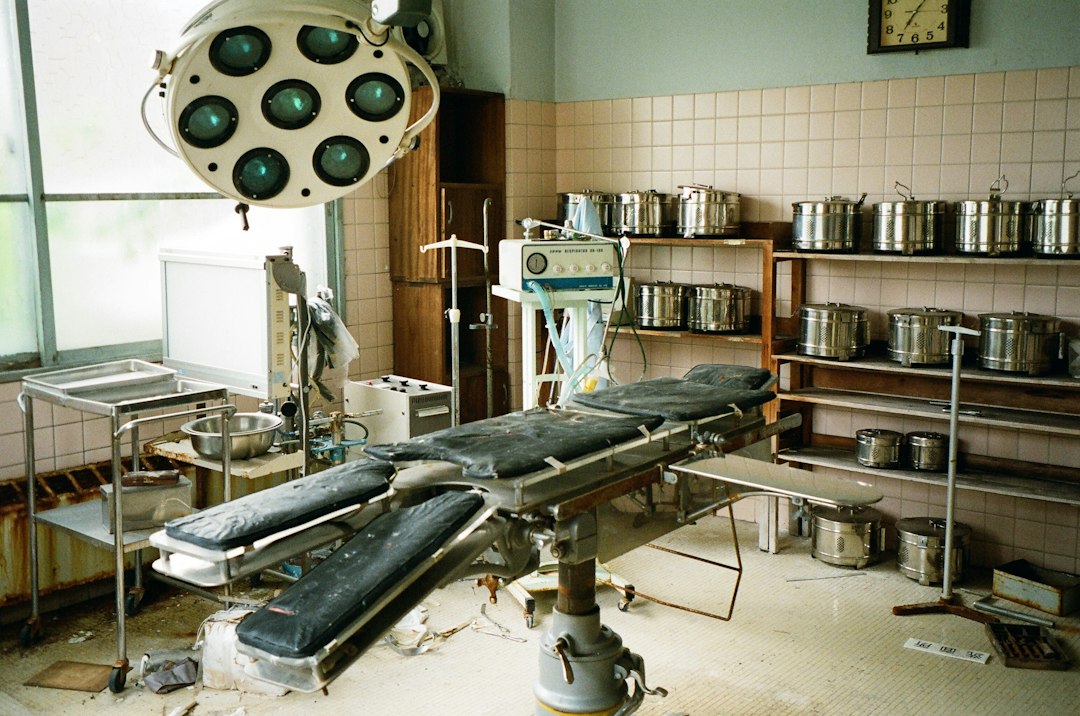
Healthcare organizations increasingly focus on delivering consistent surgical outcomes while improving patient experiences over time. Long-term success is achieved when experienced surgeons combine clinical expertise with leadership, quality improvement, and continuous education. Rather than concentrating only on individual procedures, today’s healthcare professionals contribute to stronger systems that benefit every patient entering the operating room. Through decades of surgical practice and healthcare leadership, Dr. Steven Muscoreil has demonstrated how sustained commitment to excellence can positively influence patient care, hospital performance, and future medical professionals.
Why is long-term surgical quality more important than short-term success?
A successful operation is only one part of excellent healthcare. Long-term surgical quality means creating processes that consistently deliver safe, effective, and reliable care for every patient.
Hospitals that prioritize continuous quality improvement often focus on reducing preventable complications, improving recovery timelines, strengthening communication between medical teams, and evaluating clinical outcomes over extended periods. These improvements create lasting value that extends well beyond individual surgical procedures.
What contributes to consistently high surgical standards?
High-quality surgery depends on preparation, technical expertise, teamwork, and ongoing evaluation. Every stage of patient care—from diagnosis through recovery—plays an important role in achieving positive results.
Experienced surgeons understand that maintaining excellence requires continual learning, adapting to evolving medical practices, and supporting standardized clinical protocols that improve consistency across healthcare organizations.
How does leadership influence patient care?
Leadership directly affects the quality of care patients receive. Physician leaders establish expectations for professionalism, patient safety, communication, and accountability throughout their organizations.
When healthcare teams share common goals, clinical decisions become more coordinated, operational efficiency improves, and patients benefit from a more organized treatment experience.
Why are quality improvement initiatives valuable?
Quality improvement programs allow hospitals to measure clinical performance and identify opportunities for better outcomes. Reviewing patient data, evaluating surgical performance, and implementing evidence-based improvements help healthcare organizations continually refine their services.
These initiatives also encourage collaboration among surgeons, nurses, specialists, and administrators, creating an environment where improvement becomes an ongoing responsibility rather than a one-time objective.
How does healthcare administration strengthen surgical care?
Clinical expertise provides the foundation for patient treatment, while healthcare administration helps optimize the systems supporting that care.
Physicians with administrative knowledge understand resource management, operational planning, patient safety policies, and organizational leadership. This broader perspective allows hospitals to improve efficiency while maintaining high standards of medical practice.
How does professional development benefit patients?
Medicine evolves through research, education, and technological advancement. Surgeons who actively pursue professional development remain informed about modern surgical techniques, updated clinical guidelines, and emerging healthcare innovations.
This dedication to learning ultimately benefits patients by supporting informed clinical decision-making and encouraging continuous improvement throughout surgical practice.
How does Dr. Steven Muscoreil Winston salem NC contribute to quality-focused healthcare?
A healthcare career built upon clinical experience, leadership responsibilities, and quality improvement reflects the importance of serving both individual patients and entire healthcare systems. Through surgical leadership, administrative expertise, and participation in quality-focused initiatives, Dr. Steven Muscoreil Winston salem NC represents the type of physician who values sustainable improvements rather than temporary achievements.
His commitment demonstrates how experienced surgeons can influence patient care by strengthening hospital operations, encouraging best practices, and supporting professional excellence across multidisciplinary teams.
Why is patient-centered care essential for surgical success?
Patients today expect more than technical expertise. They value clear communication, compassionate treatment, personalized care plans, and confidence throughout the surgical process.
Patient-centered care encourages physicians to listen carefully, explain procedures thoroughly, address concerns respectfully, and support recovery beyond the operating room. This comprehensive approach improves both patient satisfaction and overall healthcare quality.
How do scholarships strengthen the future of medicine?
Developing future physicians is an important part of advancing healthcare. Scholarships recognize students who demonstrate academic achievement, ethical values, leadership potential, and dedication to serving others.
Supporting aspiring medical professionals helps ensure healthcare continues benefiting from skilled physicians committed to improving patient outcomes and advancing clinical excellence.
What role does collaboration play in long-term healthcare improvement?
Modern medicine relies on multidisciplinary collaboration. Surgeons, nurses, anesthesiologists, administrators, therapists, and specialists all contribute unique expertise throughout the patient journey.
Strong collaboration promotes faster decision-making, reduces communication gaps, and creates a healthcare environment focused on continuous improvement rather than isolated success.
Conclusion
Long-term improvements in surgical quality require far more than clinical expertise alone. They depend on leadership, education, collaboration, patient-centered care, and an unwavering commitment to continuous improvement. By integrating surgical excellence with healthcare management, quality initiatives, and support for future physicians, Dr. Steven Muscoreil reflects how experienced medical leaders contribute to stronger healthcare systems while helping patients receive safe, consistent, and compassionate surgical care for years to come.