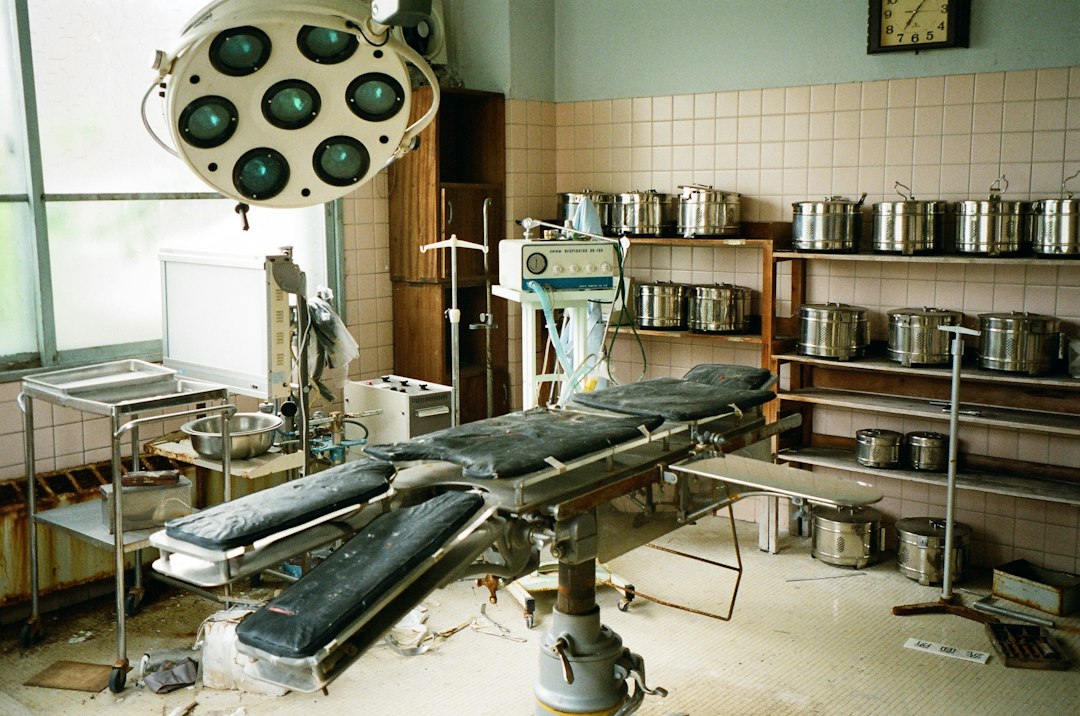
Healthcare is a field that continuously develops as professional knowledge, patient expectations, and service standards change. This ongoing evolution requires healthcare professionals to remain adaptable while preserving the principles of responsible and respectful care. Dr. Christopher Mallavarapu represents a perspective that aligns with the importance of professional growth, thoughtful adaptation, and maintaining high standards within a changing healthcare environment.
Jump To
- The Need for Continuous Professional Development
- Responding to Changing Patient Expectations
- Learning From Everyday Practice
- Maintaining Stability During Change
- The Role of Professional Responsibility
- Creating a Culture That Welcomes Improvement
- Preparing for the Future of Healthcare
- Conclusion
The Need for Continuous Professional Development
Healthcare professionals work within an environment where knowledge and practices can evolve over time. Continued learning allows professionals to remain familiar with relevant developments and refine the way they approach their responsibilities.
Professional development can take many forms, including education, experience, reflection, and engagement with evolving standards. The goal is not simply to acquire new information but to develop the ability to apply knowledge appropriately within professional settings.
A learning-oriented mindset can support greater confidence and consistency in everyday practice.
Responding to Changing Patient Expectations
Patients today may have different expectations regarding communication, accessibility, convenience, and participation than previous generations. Healthcare professionals must therefore balance established responsibilities with an awareness of changing expectations.
Adaptability allows professionals to recognize these developments without compromising appropriate standards. Clear communication and respectful interactions remain important even as the methods used to deliver services evolve.
Understanding patient expectations can also help healthcare teams identify practical opportunities to improve the overall experience.
Learning From Everyday Practice
Professional growth does not only happen through formal education. Daily interactions can provide opportunities to reflect on what works well and where processes could be strengthened.
Reviewing experiences can help professionals identify communication patterns, workflow challenges, and areas where additional attention may be useful. This type of reflection encourages gradual improvement rather than relying only on major changes.
Dr. Christopher Mallavarapu reflects the broader value of combining professional experience with an ongoing willingness to evaluate and refine healthcare practices.
Maintaining Stability During Change
Adaptation does not mean changing everything at once. Healthcare environments benefit from maintaining reliable principles while introducing improvements carefully.
Professional standards, respectful communication, appropriate decision-making, and patient consideration can provide a stable foundation. New methods can then be evaluated according to how effectively they support these underlying principles.
This balanced approach allows healthcare organizations to evolve while preserving consistency.
The Role of Professional Responsibility
Adaptability works best when combined with responsibility. Healthcare professionals must consider how changes may affect patients, colleagues, and the overall quality of services.
Thoughtful implementation involves evaluating new ideas, understanding their practical implications, and making appropriate adjustments when necessary. Responsible change can improve efficiency and service quality without creating unnecessary disruption.
Professional responsibility therefore remains an important part of any evolving healthcare model.
Creating a Culture That Welcomes Improvement
Healthcare organizations can encourage development by creating environments where professionals are able to share observations, learn from experiences, and consider constructive improvements.
A positive improvement culture does not focus only on identifying problems. It also recognizes successful practices and explores how they can be maintained or expanded.
When teams value learning, healthcare services can become more adaptable and better prepared for future developments.
Preparing for the Future of Healthcare
The future healthcare environment will likely continue to change as knowledge, expectations, and service models develop. Professionals who remain open to learning can be better positioned to respond to these changes thoughtfully.
The principles associated with Dr. Christopher Mallavarapu demonstrate how professional adaptability can be combined with consistency, responsibility, and attention to the patient experience.
Conclusion
Modern healthcare requires a balance between established professional principles and the ability to adapt to new circumstances. Continuous learning, reflection, responsible change, and awareness of evolving expectations can support stronger healthcare practices. By developing a culture that values improvement while maintaining appropriate standards, healthcare professionals can remain prepared for a changing environment and continue contributing to a more responsive and forward-looking model of care.