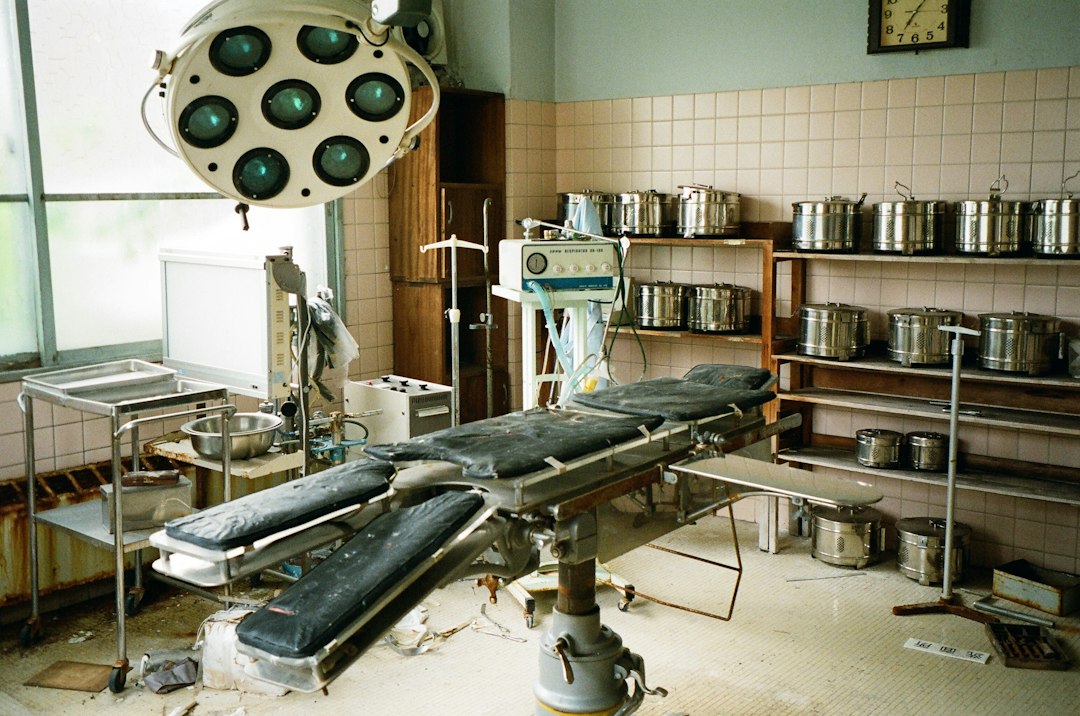
Healthcare leadership plays a vital role in advancing patient care, medical research, and professional education. Physicians who combine clinical expertise with innovation and mentorship help strengthen healthcare systems while improving outcomes for patients and medical professionals alike. Dr. Jacqueline Youtsos Kansas has demonstrated the importance of integrating research, education, and compassionate care to support excellence in modern healthcare.
Strong leadership in medicine involves more than clinical skill. Healthcare professionals must also guide teams, support innovation, and encourage continuous learning within their fields. Effective leaders help create environments where collaboration, scientific advancement, and patient-centered care can thrive together.
As healthcare continues to evolve, experienced professionals who remain engaged in research and education are often better prepared to address changing medical challenges and patient expectations.
How Does Research Contribute to Better Patient Care?
Research is one of the driving forces behind progress in healthcare and clinical medicine. Through scientific studies and evidence-based advancements, physicians can improve diagnostic methods, treatment approaches, and long-term patient outcomes.
Medical research also supports innovation in preventive care and disease management. Physicians who remain involved in research are often able to apply the latest medical knowledge to patient care practices more effectively.
In dermatology and aesthetic medicine, research continues to improve understanding of skin conditions, treatment technologies, and patient safety standards. Ongoing scientific advancement allows healthcare professionals to deliver more accurate and personalized care for a wide range of patient needs.
Why Is Education Essential in Healthcare Leadership?
Education remains one of the most important responsibilities in healthcare leadership. Experienced physicians who share knowledge and mentor future professionals contribute to stronger medical communities and improved standards of care. Dr. Jacqueline Youtsos Kansas reflects the value of combining clinical expertise with education and research to support the next generation of healthcare professionals.
Continuous learning is also critical for physicians and healthcare providers. Medical advancements occur rapidly, making ongoing education essential for maintaining high-quality patient care and professional development.
Healthcare leaders who emphasize education often strengthen teamwork and communication within clinical environments. Sharing knowledge and encouraging collaboration help improve both operational efficiency and patient experiences.
What Role Does Patient-Centered Care Play in Medical Excellence?
Patient-centered care is a key part of successful healthcare leadership. Every patient has unique concerns, treatment goals, and medical histories that require individualized attention and compassionate communication.
Physicians who prioritize listening, education, and transparency often create stronger relationships with patients and improve overall satisfaction with care. Personalized treatment approaches also help patients feel more informed and confident throughout the healthcare process.
Technology continues to enhance patient care as well. Advanced diagnostic systems, digital communication tools, and innovative treatment methods allow healthcare professionals to provide more precise and efficient care than ever before.
The healthcare field continues to grow through innovation, collaboration, and scientific advancement. Dr. Jacqueline Youtsos Kansas represents the type of experienced medical leadership that drives excellence in research, education, and patient-centered healthcare through expertise, innovation, and a commitment to professional growth. Her professional approach highlights the importance of leadership, compassion, and continuous learning in shaping the future of modern medicine and improving healthcare outcomes.